Comparing iOS, Android, and Hybrid Apps for Your 2026 Business Strategy
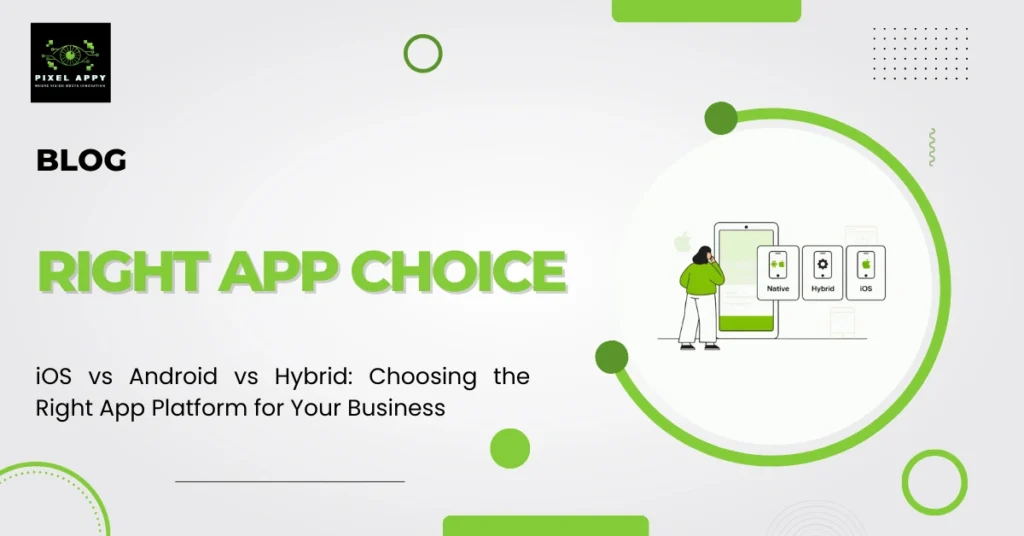
Choosing the best app platform 2026 depends on your business goals, budget, audience, and long-term growth plans. In this guide, we break down iOS vs Android vs hybrid apps so you can confidently decide which app platform delivers the best ROI, performance, and scalability for your business in the USA. If you’re asking which option fits your business best, this article answers that question clearly at first read.
Why Choosing the Best App Platform in 2026 Matters
Mobile apps are no longer optional. According to Data.ai, mobile users in the US spend over 5 hours per day in apps, not browsers. That means the platform you choose directly affects customer reach, engagement, and revenue.
Selecting the best app platform 2026 isn’t about trends. It’s about aligning technology with business outcomes.
Understanding App Platforms: iOS, Android, and Hybrid
Before comparing ROI and cost, it’s important to understand what each option really means.
What Is an iOS App?
An iOS app is built specifically for Apple devices using Swift or Objective-C and distributed through the Apple App Store.
What Is an Android App?
An Android app is developed for Android devices using Kotlin or Java and published on Google Play or private stores.
What Is a Hybrid App?
A hybrid app uses a single codebase (React Native, Flutter) to run on both iOS and Android.
This difference is central to the hybrid vs native app debate.
iOS App Development: Strengths and Limitations
iOS App Pros for Businesses
- High-value users with strong spending habits
- Strict App Store quality standards
- Consistent device ecosystem
According to Statista, iOS users spend nearly 2x more on apps than Android users in the US.
iOS App Limitations
- Higher development cost
- Smaller global market share
- Longer App Store approval process
iOS works best for premium products, SaaS tools, and consumer brands targeting US urban markets.
Android App Pros and Business Considerations
Android App Pros
- Largest global market share
- Flexible customization
- Wider device accessibility
Google reports Android holds over 70% of the global market share, making it ideal for scale.
Android App Challenges
- Device fragmentation
- More testing required
- Lower average in-app spending
From a best app platform 2026 perspective, Android is ideal for reach-driven businesses.
Hybrid vs Native App: Which Delivers Better ROI?
The hybrid vs native app decision often comes down to cost, speed, and scalability.
Hybrid App Advantages
- One codebase for iOS and Android
- Faster time to market
- Lower initial development cost
According to Clutch, hybrid apps can reduce development costs by 30–40%.
Native App Advantages
- Better performance
- Deeper device integration
- Higher long-term scalability
For startups and SMBs, hybrid apps often deliver faster ROI. For enterprise products, native apps win long term.
Mobile App Cost Guide for 2026
Here’s a simplified mobile app cost guide for the US market:
| App Type |
Estimated Cost (USA) |
| iOS Native |
$30,000 – $120,000 |
| Android Native |
$25,000 – $100,000 |
| Hybrid App |
$20,000 – $70,000 |
Costs vary based on features, security, integrations, and scalability.
Which Platform Is Best for Startups?
For startups launching MVPs, the best app platform 2026 is often a hybrid due to:
- Lower risk
- Faster launch
- Easier iteration
Hybrid apps allow startups to validate ideas before investing in native builds.
Best App Platform for Small and Medium Businesses
SMBs benefit from:
- Hybrid apps for cost efficiency
- Android apps for reach
- iOS apps for premium customers
Choosing between a hybrid vs native app depends on growth speed vs performance needs.
Enterprise App Platform Strategy
Enterprise apps often require:
- Advanced security
- Offline capabilities
- System integrations
Native iOS and Android apps are typically the best choice here.
IBM Security reports native apps experience fewer vulnerabilities when properly implemented.
App Performance, Security, and Scalability
Performance and security are key ranking factors for user trust and retention.
Native apps offer:
- Faster load times
- Biometric security
- Better scalability
Hybrid apps have improved significantly thanks to frameworks like Flutter, but native still leads for complex use cases.
How User Behavior in the USA Influences Platform Choice
US consumers:
- Prefer polished UX
- Expect fast performance
- Value data privacy
Apple’s privacy framework has increased user trust, influencing platform decisions.
How Pixel Appy Helps You Choose the Right App Platform
Pixel Appy is a full-service mobile app development company helping US businesses choose the best app platform 2026 based on real business goals.
Its Pixel Appy’s Approach
- Platform consultation
- Cost-benefit analysis
- UX-first design
- Scalable development
Pixel Appy specializes in iOS, Android, and hybrid apps, ensuring the right tech for the right outcome.
Conclusion
Choosing between iOS, Android, or a hybrid is not a technical choice. Understanding the Android app pros can help you make a smarter business strategy. The best app platform in 2026 is the one that aligns with your users, budget, and growth plan.
Get a Free Consultation from Pixel Appy!
Frequently Asked Questions (FAQs)
1. What is the best app platform 2026 for businesses?
It depends on budget, audience, and scalability needs. Hybrid is best for MVPs, native for long-term growth.
2. Is a hybrid vs native app better for ROI?
Hybrid apps offer faster ROI initially. Native apps deliver stronger long-term performance.
3. What are the biggest Android app pros?
Wider reach, flexible customization, and global scalability.
4. How much does app development cost in the USA?
According to this mobile app cost guide, costs range from $20,000 to $120,000.
5. Can I start a hybrid and move to the native language later?
Yes. Many businesses validate ideas with hybrid apps first.
6. Why choose Pixel Appy?
Pixel Appy offers strategy-driven development tailored to US businesses.
Book a Free Consultation and Choose the Right App Platform With Our Experts.





Essential App Integrations: Payments, Chat & Analytics 2026
[…] these features. By adopting smart mobile app design trends and key integrations, businesses can reduce app uninstall rate and maximize lifetime user […]".